Station Wagons vs. Mid-Size Crossovers Driving Dynamics & Lifestyle
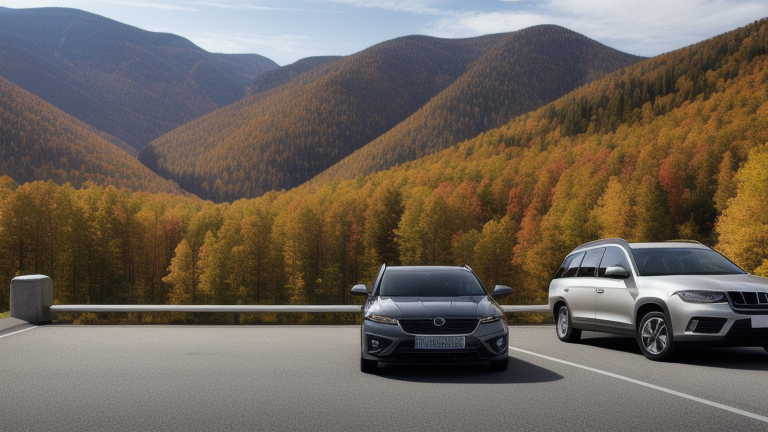
Selecting the ideal family vehicle requires balancing mechanical performance against daily lifestyle demands. The debate between Station Wagons vs. Mid-Size Crossovers represents a fundamental choice between low-slung, car-based dynamics and elevated, command-position versatility. While market trends favor elevated ride heights, a closer look at engineering physics, total ownership costs, and functional practicality reveals distinct advantages for different driving lifestyles
Walk a dealership lot and a station wagon and a mid-size crossover can carry near-identical cargo volume on paper. What differs is how each shape achieves that volume, and that difference shows up in fuel economy, loading convenience, and how the vehicle handles — not in the cargo spec sheet itself.
Cargo Floor Height and Loading Convenience
A wagon’s cargo floor typically sits lower relative to the ground than a crossover’s, because a wagon is generally built on a lower-riding platform closer to a traditional sedan’s ride height, while a crossover is intentionally raised for additional ground clearance. A lower cargo floor means lifting heavy items a shorter vertical distance into the trunk — a real, if underappreciated, practical advantage for anyone regularly loading bulky or heavy cargo such as luggage, storage bins, or bikes.
Why Crossovers Trade This Away Deliberately
The raised ride height that costs a crossover some loading convenience is the same design choice that gives it better ground clearance over rough surfaces, curbs, and moderate unpaved roads — a genuine advantage for drivers who regularly encounter those conditions. Neither shape is “wrong” here; they’re optimized for different use cases.
Aerodynamics and Its Effect on Fuel Economy
A wagon’s lower overall height and more sloped rear profile generally produce a lower aerodynamic drag coefficient than an equivalent crossover’s taller, more upright rear end and higher frontal area. Drag increases roughly with the square of speed and directly with frontal area, meaning the fuel economy gap between a wagon and a similarly sized crossover tends to widen specifically at highway speeds, where aerodynamic drag — rather than rolling resistance or engine efficiency alone — becomes the dominant force the engine has to overcome.
Where the Gap Is Smaller Than Expected
At lower, city-driving speeds, aerodynamic drag plays a much smaller role in overall fuel consumption relative to stop-start driving patterns and rolling resistance, so the wagon’s aerodynamic advantage narrows considerably in city-dominant driving compared to highway-dominant driving. A buyer whose driving is mostly short urban trips will see less of this advantage materialize than a buyer doing substantial highway mileage.
Center of Gravity and Road Handling
A wagon’s lower ride height generally places its center of gravity closer to the road than an equivalent crossover’s raised stance. A lower center of gravity reduces body roll during cornering and generally produces a flatter, more composed handling feel, since less of the vehicle’s mass is positioned high enough to create significant weight transfer during direction changes.
| Factor | Station wagon | Mid-size crossover |
|---|---|---|
| Typical cargo floor height | Lower, closer to sedan height | Higher, raised platform |
| Ground clearance | Lower, less suited to rough terrain | Higher, better over curbs/light off-road |
| Aerodynamic drag (highway speeds) | Generally lower | Generally higher |
| Center of gravity / body roll | Lower, flatter handling | Higher, more body roll typically |
| Driving position / visibility | Lower seating position | Higher, more commanding view |
Driving Position: A Genuine Trade-Off, Not a Flaw on Either Side
Crossovers offer a higher seating position that many drivers specifically prefer for visibility over traffic and a sense of command over the road. Wagons offer a lower seating position that generally correlates with the lower center of gravity and handling characteristics described above. Preference here is largely subjective, and it’s worth sitting in both body styles rather than assuming one is objectively more comfortable.
Tire and Suspension Wear Patterns
The higher center of gravity and taller unsprung mass typical of crossovers can translate into somewhat different suspension component wear patterns compared to a lower wagon over the same mileage, though actual results vary enormously by driving style, road surface, and specific suspension design. Rather than generalizing from body style, check your specific vehicle’s maintenance schedule for suspension and tire rotation intervals, and consult a qualified mechanic if you notice uneven tire wear developing earlier than expected on either body style.
Why Cargo Volume Numbers Alone Miss the Point
Two vehicles advertising similar maximum cargo volume in liters or cubic feet can still differ substantially in usable cargo shape — a wagon’s cargo area is often longer and flatter, suited to long, low items, while a crossover’s taller cargo area can better accommodate bulky, vertically oriented items up to the point where height becomes a constraint for the wagon instead. If you have specific cargo you regularly transport (sporting equipment, flat-pack furniture, stroller and travel gear), measure your actual items against each body style’s cargo dimensions rather than relying on the single headline cargo-volume figure.
Which Shape Suits Which Driver
A Note on Roof Load and Towing Comparisons
Buyers cross-shopping these two shapes for roof-rack or towing use should check manufacturer-specified roof load and towing capacity directly rather than assuming body style predicts capacity — a crossover’s raised stance doesn’t automatically translate to higher towing capacity, and a wagon’s lower stance doesn’t automatically limit it. Both figures depend heavily on the specific drivetrain, chassis reinforcement, and braking system fitted to a given trim level, which varies enough within each body style category that generalizing from “wagon” or “crossover” alone would be misleading. Always confirm these figures against your specific vehicle’s documentation before loading a roof rack or attaching a trailer.
A driver prioritizing highway fuel economy, a lower loading height for frequent heavy cargo, and flatter handling is generally better served by a wagon’s inherent shape advantages. A driver who regularly needs higher ground clearance, prefers a raised seating position, or occasionally encounters rough or unpaved surfaces is generally better served by a crossover’s design priorities. Both are genuinely practical family-vehicle shapes; the right one depends on which specific trade-offs matter more for your actual driving conditions and cargo needs, not on which body style happens to be more common on the road at the moment.
Summary
In the breakdown of Station Wagons vs. Mid-Size Crossovers, neither design is universally superior; each serves a distinct functional profile. The mid-size crossover offers commanding visibility, ease of cabin entry, and light off-road capability. Meanwhile, the station wagon delivers superior fuel efficiency, sharper driving dynamics, and effortless cargo loading ergonomics. Matching your vehicle selection to your actual driving habits ensures long-term satisfaction on every journey. carri