Direct Injection Carbon Buildup Symptoms, Causes, and Prevention Tips for Modern Drivers
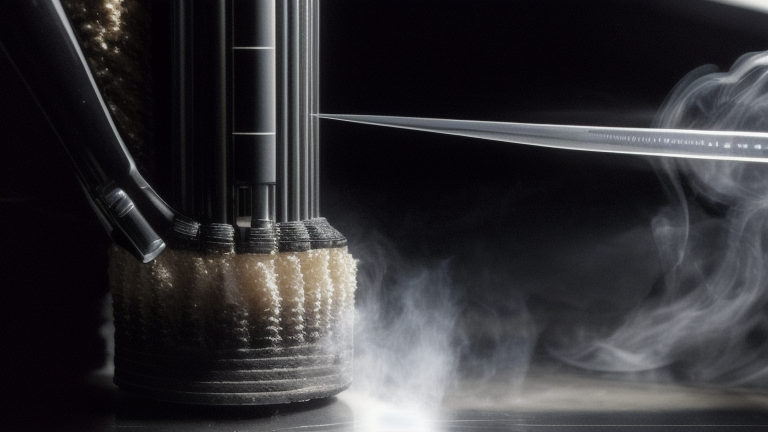
Gasoline Direct Injection (GDI) technology revolutionized modern automotive engineering. By spraying high-pressure fuel directly into the combustion chamber rather than the intake port, GDI engines deliver higher horsepower, sharper throttle response, and improved fuel economy. However, this engineering layout removes a critical self-cleaning mechanism present in traditional Port Fuel Injection (PFI) systems: fuel washing over the intake valves.
Over time, this fundamental design shift creates a widespread automotive issue known as Direct Injection Carbon Buildup. Understanding why these deposits form and how your daily driving habits influence valve health allows you to protect your engine’s longevity and performance.
Direct fuel injection improved power and efficiency over older port-injection designs, but it introduced a specific downside: carbon buildup on intake valves that port-injection engines mostly avoided. Here’s a practical breakdown of why it happens and what actually addresses it.
Q: Why Does GDI Cause Carbon Buildup When Port Injection Didn’t?
In a port-injection engine, fuel is sprayed directly onto the back of the intake valve as part of the normal injection process. Gasoline contains detergent additives specifically designed to keep deposits from forming, and that fuel spray effectively washes the valve surface continuously as a byproduct of normal operation. In a gasoline direct injection (GDI) engine, fuel is injected straight into the combustion chamber instead, bypassing the intake valve entirely. The valve no longer gets that continuous detergent fuel wash, so oil vapor from the engine’s normal crankcase ventilation system, combined with combustion byproducts, can bake onto the valve surface over time and accumulate as hardened carbon deposits.
Q: Is This a Design Flaw or an Expected Trade-Off?
It’s best understood as a known trade-off rather than a flaw unique to any one manufacturer — GDI’s efficiency and power advantages come with this specific maintenance consideration built in, and most manufacturers using GDI technology across the industry contend with some version of this same valve-deposit tendency. Some engines mitigate it partially through dual-injection designs that combine both direct and port injection, specifically to restore some of that valve-washing effect while keeping direct injection’s efficiency benefits for the rest of the combustion cycle.
Q: What Are the Actual Symptoms?
- Rough idle or a slight hesitation during acceleration as deposits begin restricting airflow and disrupting the intended air-fuel mixture at the valve.
- A gradual, often subtle decline in fuel economy as the engine’s control system compensates for the altered airflow.
- In more advanced cases, misfires or a noticeable loss of power, as buildup becomes severe enough to meaningfully restrict valve sealing or airflow.
Mild buildup often produces no noticeable symptoms at all for a long time, which is part of why it tends to be addressed reactively rather than proactively by many owners.
Q: Walnut Blasting — Does It Actually Work?
Walnut shell media blasting, performed by physically removing the intake manifold and blasting crushed walnut shell media against the valve to mechanically scrape off hardened carbon, is widely regarded as the most thorough treatment for established, hardened deposits. Because it’s a direct mechanical removal method rather than a chemical softening approach, it doesn’t depend on the deposit’s chemical composition dissolving — it physically removes material regardless of how hard or old it is. The trade-off is cost and labor time, since it requires manifold removal and careful containment of the blasting media to avoid it entering the cylinders.
Q: What About Chemical Intake Cleaning Treatments?
Chemical treatments — typically introduced through the intake system while the engine runs, or applied directly to valves with the intake removed — can be effective against lighter, earlier-stage buildup, but have more limited effect against heavily hardened, established deposits compared to mechanical removal. They are generally better suited as a preventive or early-intervention measure than as a fix for valves that have gone a long time without any attention.
| Method | Best suited for | Typical limitation |
|---|---|---|
| Walnut shell blasting | Established, hardened deposits | Higher cost; requires manifold removal and careful containment |
| Chemical intake cleaner | Light to moderate, earlier-stage buildup | Less effective on heavily hardened deposits |
| Preventive fuel additives (ongoing use) | Slowing future buildup accumulation | Does not remove existing hardened deposits |
Q: Can Buildup Be Prevented Rather Than Just Treated?
Partially. Using a top-tier gasoline with a higher concentration of detergent additives can help slightly, even though that detergent effect is diminished compared to port injection since it never contacts the intake valve directly in a pure-GDI design. Keeping up with recommended oil changes matters more than it might seem — fresher oil produces less crankcase vapor contamination feeding into the intake system through normal PCV (positive crankcase ventilation) operation, which is one of the primary carbon sources landing on the valves in the first place.
Q: How Often Should This Be Checked?
There’s no universal mileage interval that applies across all GDI engines, since buildup rate varies by specific engine design, driving style (short trips and frequent cold starts tend to accelerate it), and oil change adherence. Rather than following a generic number, watch for the symptom pattern described above, and ask a qualified mechanic to visually inspect valve condition (often via a borescope through the spark plug hole or intake) during a routine service interval if your engine has meaningful mileage and you haven’t had this checked before.
Q: Does This Affect Turbocharged GDI Engines Differently?
Turbocharged GDI engines don’t have a fundamentally different buildup mechanism, but some owners report a perception of faster accumulation, possibly related to higher cylinder pressures and combustion temperatures typical of turbocharged operation, combined with the same lack of valve-washing fuel spray. This isn’t a universal rule across every turbocharged GDI design, and it varies enough by specific engine that it’s worth asking a mechanic familiar with your particular engine family whether they’ve observed a pattern worth planning around, rather than assuming a blanket turbo-vs-naturally-aspirated difference applies to your vehicle specifically.
Q: Is This Relevant When Buying a Used GDI Vehicle?
It’s a reasonable question to raise during a pre-purchase inspection, particularly on a vehicle with higher mileage and a service history showing infrequent oil changes or heavy short-trip use (both of which tend to accelerate buildup). Asking whether a borescope inspection can be performed, or whether the seller has any record of prior intake service, adds useful information to a broader pre-purchase mechanical inspection — though it’s a secondary check relative to the higher-priority structural and fluid inspections covered in a full pre-purchase review.
This is a mechanical maintenance topic where actual severity, appropriate treatment choice, and cost vary significantly by specific engine and vehicle — treat the explanations above as background for an informed conversation with a qualified mechanic, not as a substitute for an actual inspection of your specific vehicle.
Final Thoughts for Carri Readers
At carri Direct injection technology brings unmatched performance and efficiency, but it requires an updated approach to engine care. By adopting proactive maintenance routines—using premium low-volatility oil, avoiding constant short trips, and scheduling periodic valve inspections—you can enjoy the full power of your GDI engine while avoiding costly carbon buildup repairs.